Food and wine travel in Provence: a planning guide
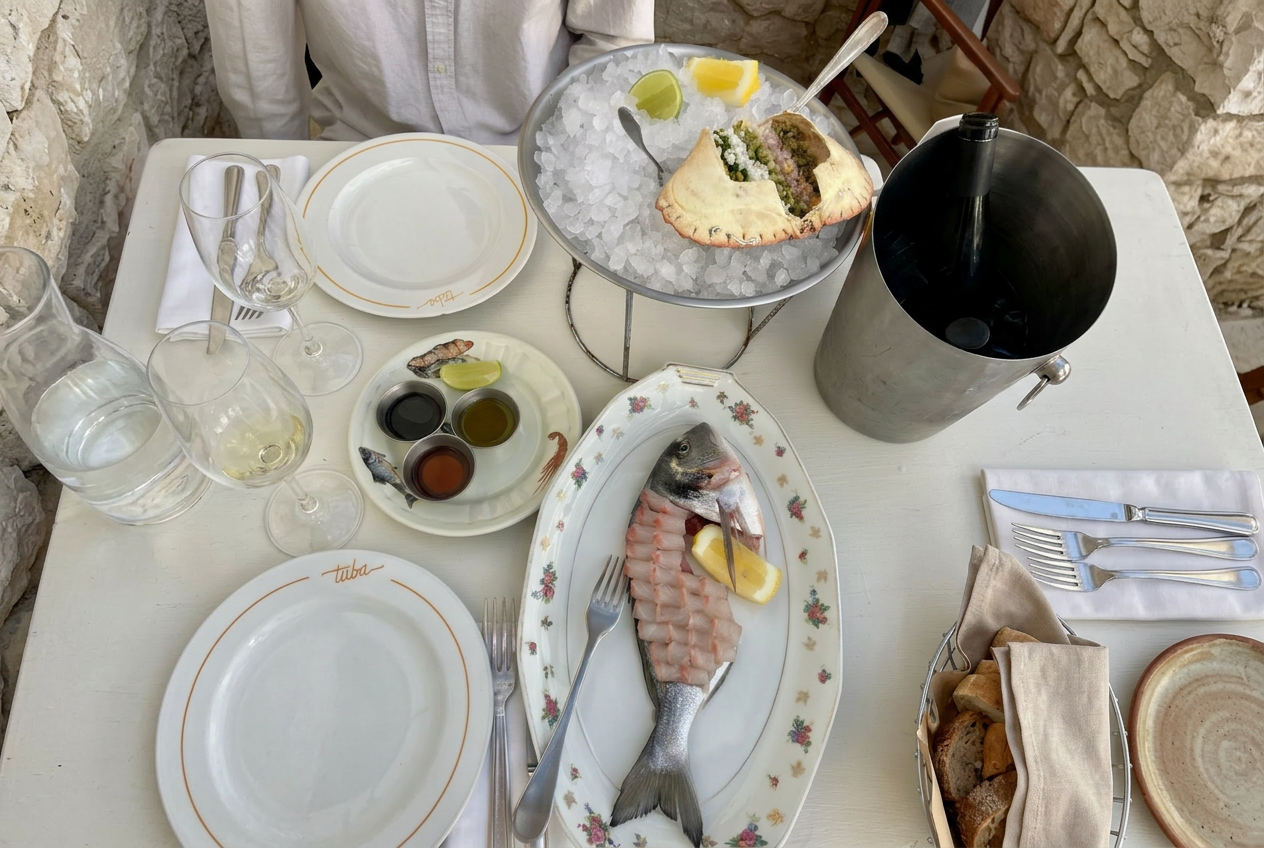
To plan a tailor-made food and wine trip in Provence, start from a simple triangle: Marseille for contemporary Mediterranean cooking and great regional tables, the hinterland (Luberon, Alpilles, Aix-en-Provence) for Provençal markets, olive oil and farm producers, and the coast (Cassis, Bandol) for wine tourism and seaside tastings. A bespoke 5- to 7-day culinary tour structured around three or four fixed anchors (a starred chef, a confidential wine estate, a morning market, an at-the-property tasting) strikes the best balance between framework and freedom.
What food experiences are there between Marseille and the hinterland?
The Marseille food scene is no longer a tagline: the city now counts roughly a dozen starred addresses, from Alexandre Mazzia's three-star AM to the younger tables of the Cours Julien and Notre-Dame du Mont. Bouillabaisse, regulated by the 1980 Charter, is served correctly in only a handful of restaurants — Le Petit Nice, Chez Fonfon, Le Rhul, Miramar — and is worth booking several weeks ahead.
Inland, the rhythm shifts. Aix-en-Provence, Saint-Rémy, Lourmarin and L'Isle-sur-la-Sorgue host the liveliest Provençal markets: heirloom tomatoes, goat cheeses, tapenades, AOP olive oils from Les Baux-de-Provence and the Vallée des Baux. Producers are accessible and often open to private visits for serious travellers: a working olive mill, a winter truffle hunt, a goat farm at sunrise.
How do you build a wine-and-local-tables itinerary?
Wine tourism in Provence is built around several very different appellations. Cassis (215 hectares, twelve estates) produces saline whites that pair perfectly with bouillabaisse. Bandol, further east, is the great red of Provence, built on Mourvèdre. Côtes-de-Provence rosé remains the regional archetype, but the real interest is shifting toward the smaller AOCs: Coteaux-d'Aix, Coteaux Varois, Luberon, Ventoux. For memorable Provence wine tastings, the ideal format alternates no more than two estates per day, favouring direct encounters with the winemakers over caveaux open to all comers.
On tables, the most convincing approach alternates starred / chef bistro / estate table: an author's dinner on the first night, a simple vineyard lunch the next day, then a return to a more intimate room — La Mercerie in Marseille, Pierre Reboul in Aix, Le Cancan in Cassis. This rhythm avoids the gastronomic saturation that derails poorly paced bespoke culinary tours.
Marseille by night: what should you know?
Marseille has quietly become one of the most interesting nocturnal capitals in southern Europe. The Cours Julien, Notre-Dame du Mont and the streets around the Vieux-Port concentrate a scene that mixes natural-wine bars (La Cave du Cours, Bouche), jazz cellars, pastis rooftops and tables that stay open late. The local rule: dinner around 8:30 pm, a neighbourhood bar before midnight, perhaps a final glass on the Corniche by the sea. With a private chauffeur, the chain flows easily and safely; without one, better to stay within a single perimeter.
How and when to book?
The region's best starred tables book six to twelve weeks ahead, more for Sunday lunch in high season. Confidential wine estates — those that do not receive the public — only open through a local introduction; this is precisely what an on-the-ground agency unlocks. On seasons, May, June, September and the first half of October are the best windows for a gastronomy trip in Provence: terraces are open, the harvest is in full swing in September, and the evening light allows outdoor dinners well past 9:30 pm.
Frequently asked questions
How far ahead should you book tables and wine estates in Provence?
The region's best starred tables are usually taken six to twelve weeks ahead, and longer for Sunday lunch in high season. Bouillabaisse served to the 1980 Charter is made in only a handful of houses, so it is worth reserving several weeks in advance. Confidential estates that do not receive the public open only through a local introduction, which is arranged rather than booked online.
When is the best season for a food and wine trip in Provence?
May, June, September and the first half of October are the strongest windows. Terraces are open, the markets are at their fullest, and the harvest is under way in September. Evening light lasts well past 9:30 pm, which makes outdoor dinners possible without rushing the day.
How many restaurants and estates should a single day include?
No more than two estates in a day, and one significant table rather than two. The rhythm that works alternates an author's dinner, a simple vineyard lunch and a quieter room the following evening. Packing more in leads to the gastronomic saturation that derails poorly paced culinary itineraries.
Which areas should a Provence food and wine itinerary cover?
A simple triangle covers the essentials: Marseille for contemporary Mediterranean cooking, the hinterland around the Luberon, the Alpilles and Aix-en-Provence for markets, olive oil and farm producers, and the coast at Cassis and Bandol for wine. Five to seven days is enough to hold all three without moving every night. Anchoring the trip in two bases and travelling out from them keeps the driving reasonable.
Planning your trip? Our Marseille-based team designs every itinerary one-to-one.
Tell us about your project